


This article is for information and education only and is not medical advice. Reading it does not create a doctor-patient relationship with Dr. Segal or with Collab Fertility. Dr. Segal’s views are her own. Speak to your own doctor before making decisions about your health or fertility care.
A note from your Chief Wellness Officer
Before we begin: this article is not meant to guilt-trip any woman who does not want children, who has put motherhood second to her career, who is struggling to conceive, or who has not found her ideal partner (yet). On the contrary, my hope is that women who can relate to my story and to stories like other women mentioned in the article can feel seen and can learn something from this article and have an action plan that is actually helpful.
The idea for this article originated from my own personal experience of pushing off motherhood to chase career milestones (was aged 33, “Assistant Vice President” when I had my child) and then essentially pushing off having any additional children because of the chronic stress and mounting pressures as a result of said career.
Dr. Thalia Segal and I met as college undergrads. We were both ambitious and career-driven as we grew in parallel: while I was climbing the corporate ladder, she completed residencies and fellowships and began her medical specialization in reproductive endocrinology to help women and couples have the children they desired. We would eventually come to meet the same profile of women: the ones who put work first for years or ended up meeting “The One” later in life or never meeting “The One” at all. The ones whose desire for a child at some point began to overshadow their ambition to make it to GM or to the C-suite. These women would never share with a colleague like me what they shared with Dr. Segal on a daily basis: their extraordinary and often grueling journey to motherhood that they run concurrently with their hustle and grind in tough corporate atmospheres that often inherently make it more difficult to conceive.
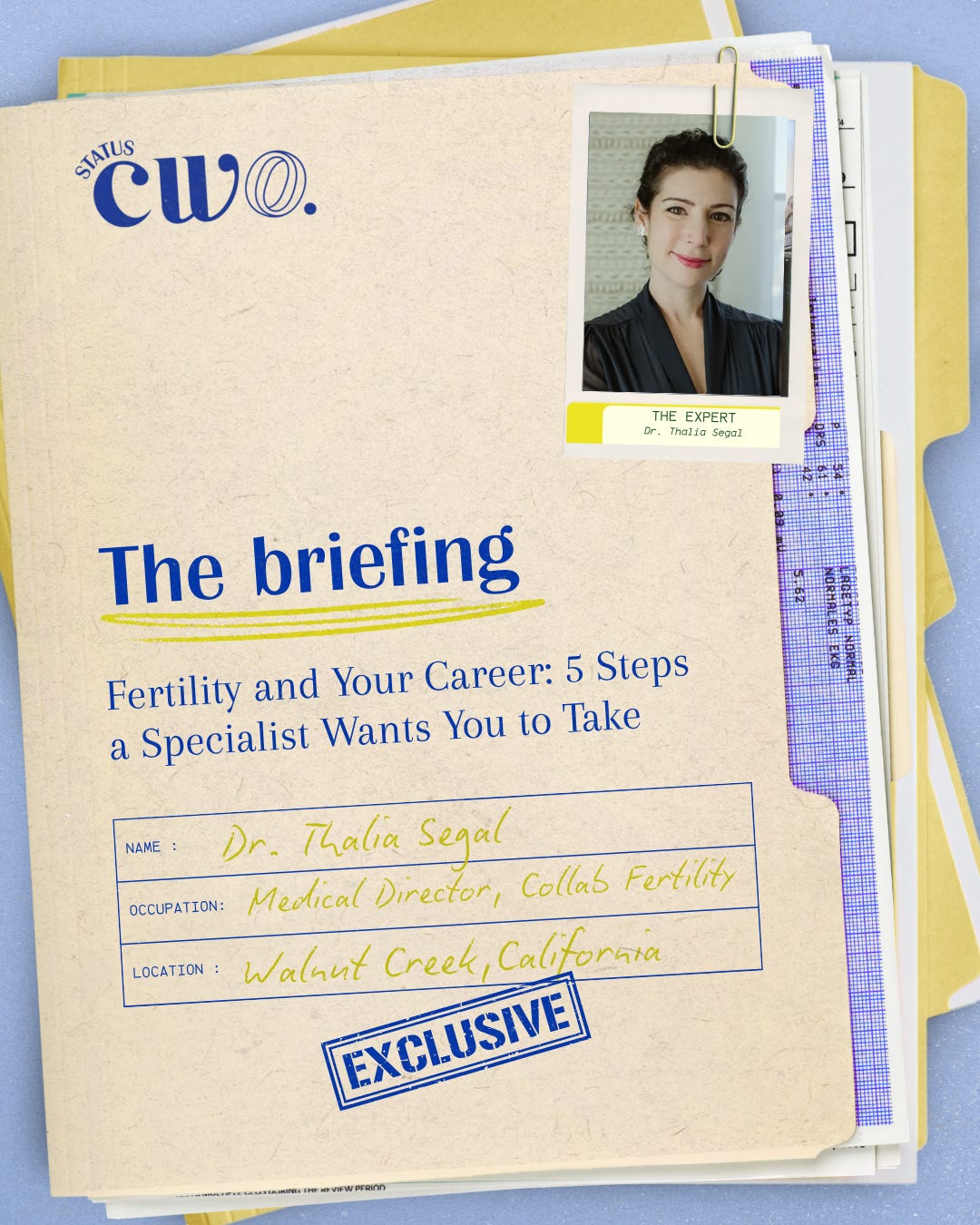
So I thought this was a relevant topic for our “The Briefing” series, where we invite an expert to share their perspective and insights on key topics affecting high-achieving women and their wellness. Dr. Thalia Segal is a double board-certified reproductive endocrinologist and the founder and medical director of Collab Fertility in Walnut Creek, California. With more than a decade of experience, she specializes in fertility preservation (egg and embryo freezing), individualized IVF protocols, preimplantation genetic testing, PMOS, recurrent pregnancy loss and LGBTQ family building. She created The Collab Way, an evidence-based, integrative care model that pairs medical expertise with nutrition, lifestyle guidance and education. Before founding her practice, she was an Assistant Professor at the UCSF Center for Reproductive Health. She is also the former Chair of the American Society for Reproductive Medicine’s Environment and Reproduction Special Interest Group, and she wrote the environmental chapter in the textbook Reproductive Endocrinology by Yen & Jaffe.
The Briefing below is based on my interview with her, and I hope this helps women who are balancing their career progression with their family planning.

Q&A
1. Tell us a bit about your work at Collab Fertility and what made you open your own practice.
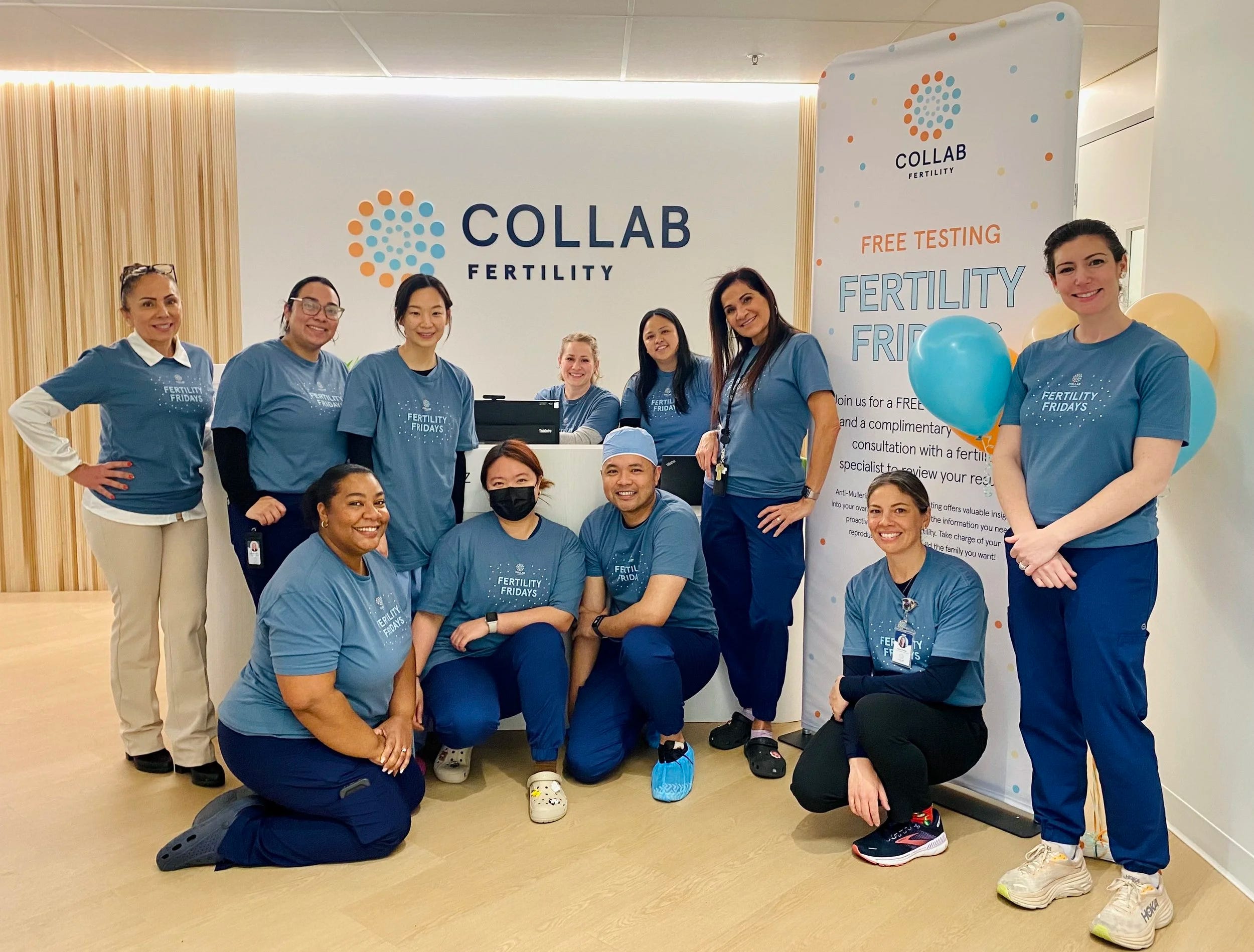
I’m the medical director at Collab Fertility in Walnut Creek, California, and I have been in the fertility space for over a decade. I started my career in academics and realized there was a really big need for quality care that was patient-centered, so I decided to open Collab Fertility. We take a really different approach. Humans pick up the phone. Patients have helped me shape the practice, and they tell me what is lacking out there. The most important thing is success rates, so every decision we make is centered around what is going to increase the odds of this individual couple walking out of here with a baby.
2. What are the main reasons your clients end up in your office? Is it just an age thing, or are there other dynamics at play?
I see people for all reasons. Maybe 25% are for egg freezing. These are women of all ages, not just women in their 30s but older women too, who haven’t met “Mr. Right” yet, or are pursuing a second career, or for many other reasons decide to proactively find out about their ovarian reserve and then decide whether they want to freeze their eggs and preserve their fertility.
This technology has been amazing. It’s really giving women the option to delay childbearing. Obviously, there are no guarantees, and I make that very clear, and the younger you freeze, the better the quality of those eggs. But it still gives you options, because the rate-limiting step in female reproduction is the quality and quantity of our eggs. We’re born with all the eggs we’re ever going to have, and they decline in those two ways. Everything else, like the uterus, doesn’t age. The cutoff to carry a pregnancy is around 55, assuming you’re healthy. Men make new sperm every three months [1], so the main time-limited factor is usually the eggs. If we can freeze them, you have options down the road.
We have single women. We have divorced women who come to freeze eggs. We also have older couples who may be focused on their careers, or who met later, or who met a long time ago but decided to delay having kids because of career or other reasons. I also see couples with 1 child with a genetic disease that they didn’t know one or both of them carried, and who want to have a healthy second child. I see cancer patients, who freeze their eggs or sperm before chemotherapy or radiation, because a lot of those treatments leave you infertile. I see perimenopausal women and women with premature menopause who had no idea, but who suddenly have cycle irregularity, get checked out and find their ovarian reserve is close to zero. They come to freeze eggs or embryos, or if it’s too late, we talk about donor egg options. The LGBTQ+ community also comes to see me. We do inseminations and reciprocal IVF, where one woman’s eggs are retrieved and fertilized with donor sperm and the other woman carries. We see women who need gestational carriers, and men with severely low sperm counts. We do a lot more than people realize.
Something a lot of patients tell me is, “It just wasn’t the right time. I’m switching jobs. I just got promoted. I’m starting medical school.” Career-driven, ambitious women often delay making decisions about their fertility, and it’s not their fault. I think there are issues in our society, and in the lack of support women get from their bosses, even female bosses. The idea that we can do it all is not true. What I tell patients is that there’s never a good time to have a baby, never. You just have to prioritize yourself. You’re here for a reason, so do what you want. This is your one life to live, and if you want to have a child, that’s more important than the business trip you have to go on next week. And yet they still delay their egg retrieval. That’s what stuns me: they finally make it through the doors of my office, they’re right in front of me, and they still delay because of something related to their career.
3. At what age does career ambition and biological fertility begin to work against each other?
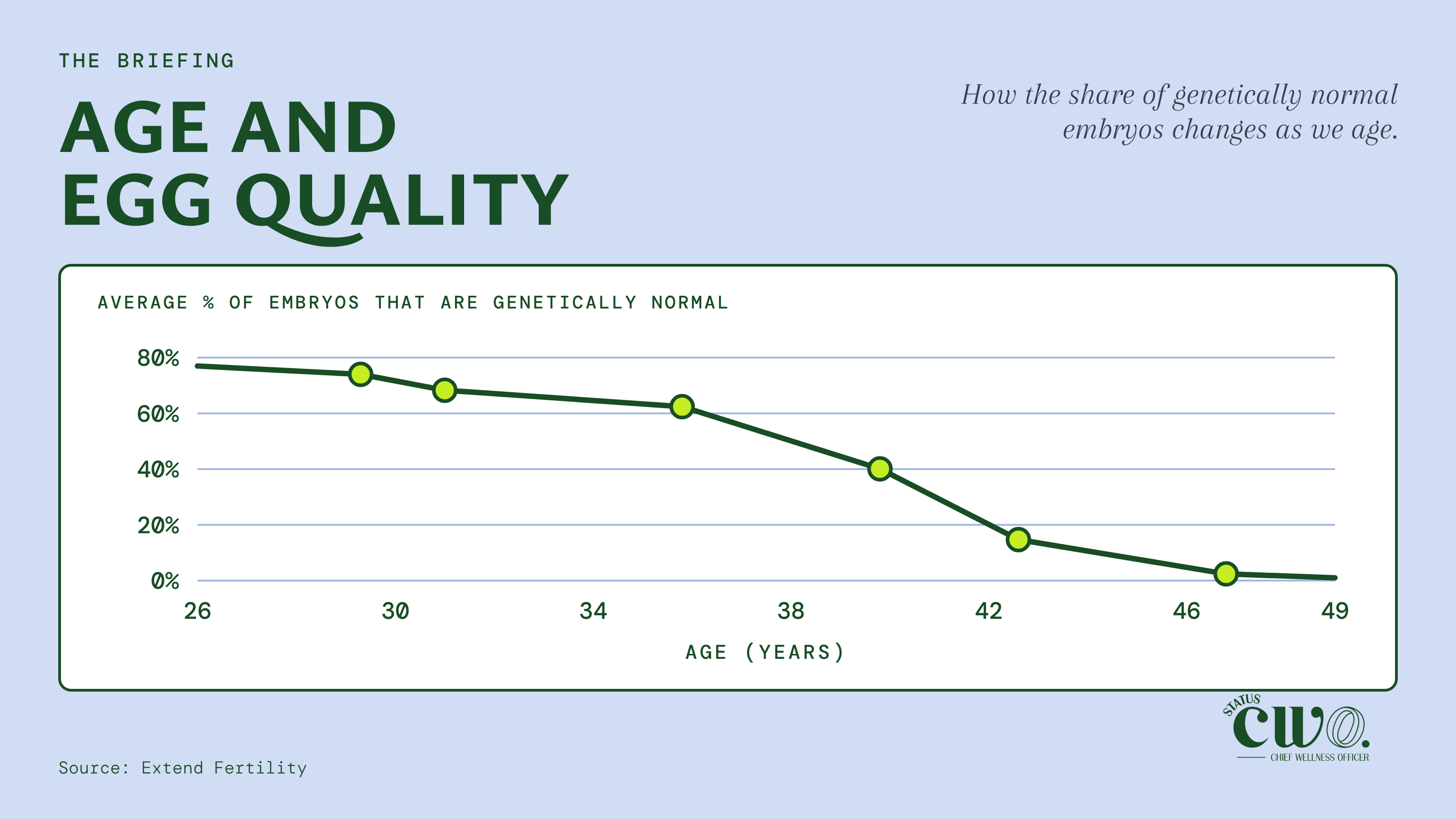
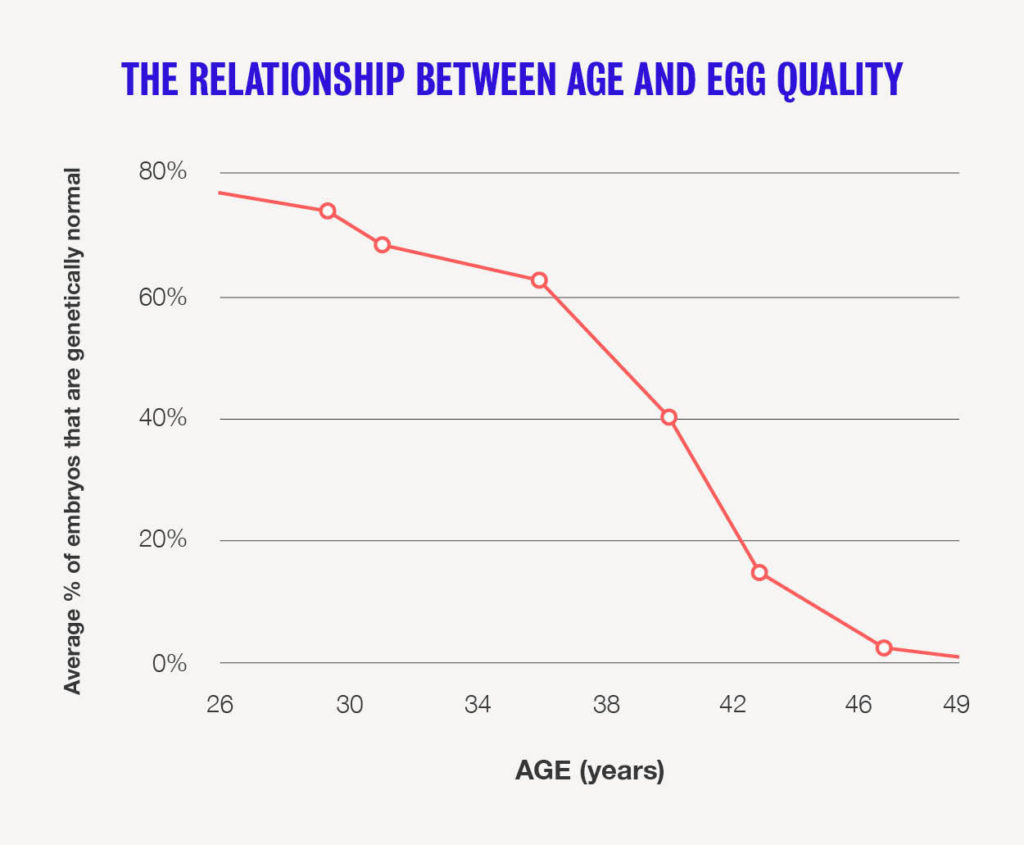
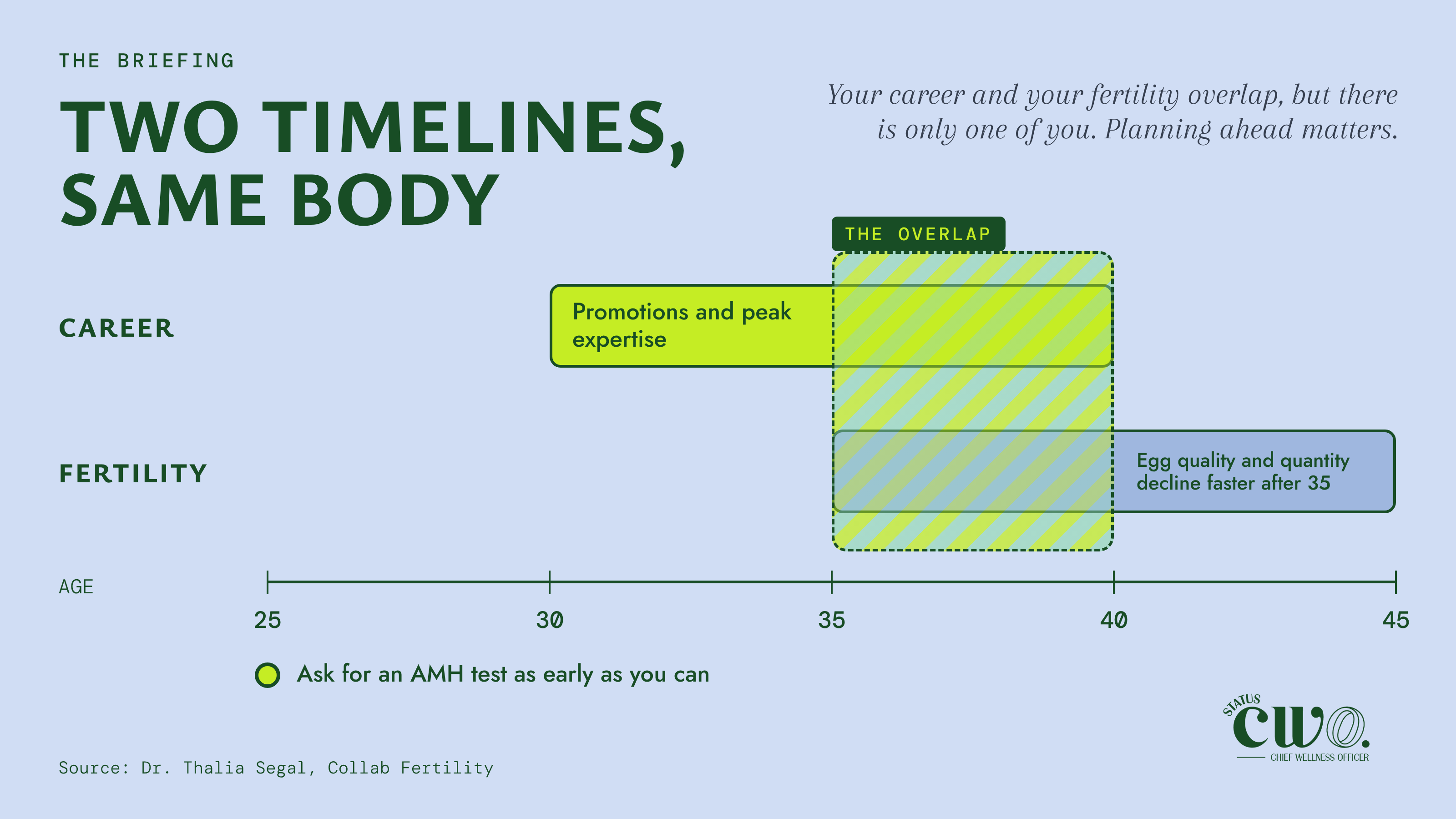
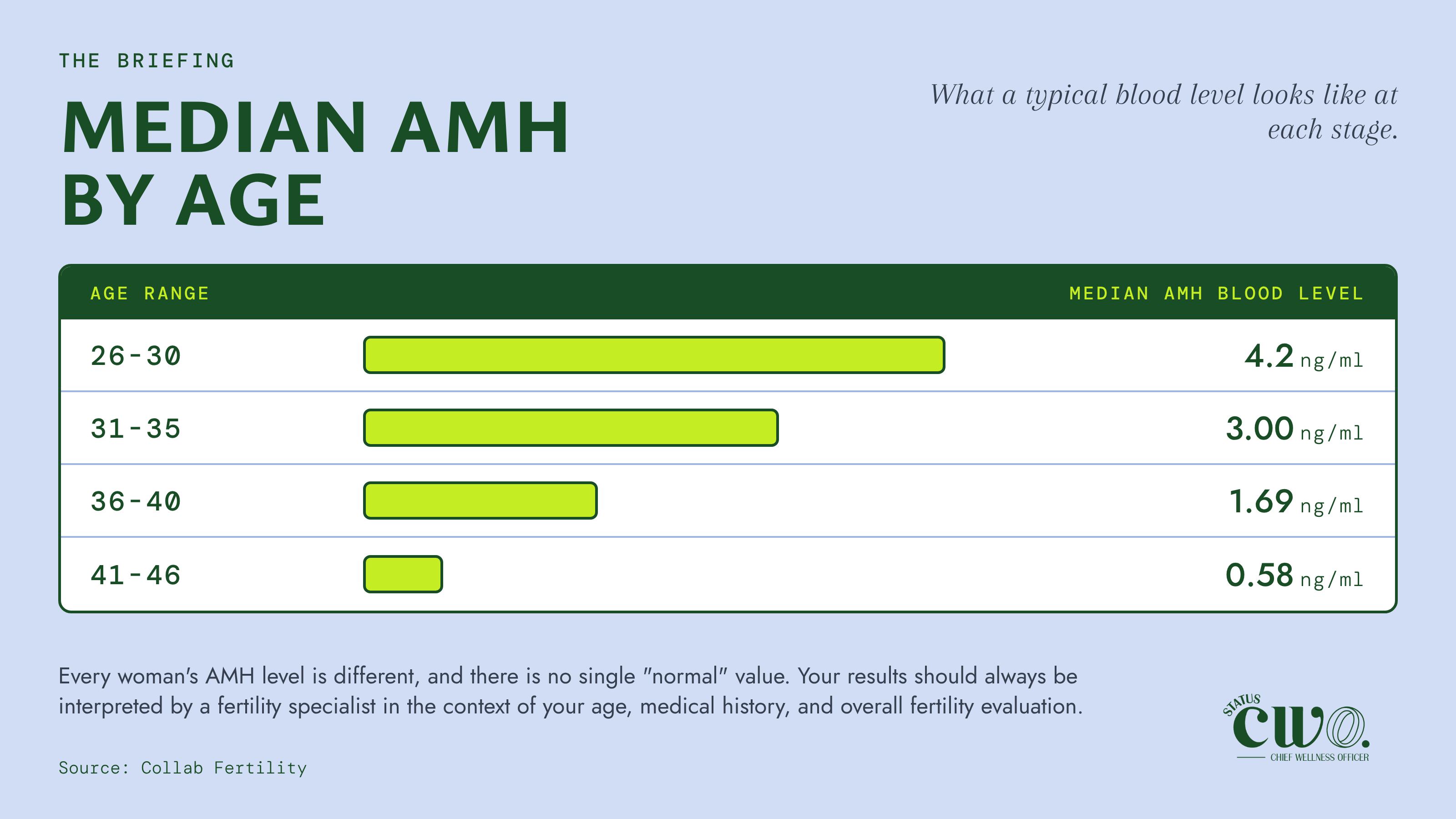
Our egg quality is the best it’s ever going to be when we’re born. If you check your AMH, anti-Müllerian hormone, to see how many eggs you have left until menopause, and it’s normal for your age, say at 30, that’s great. Your egg quality is determined by age [2] and after 35 things really take a dive. That tends to be when women reach their peak in their jobs and expertise and are up for promotions. So 35 to 40 is a pretty critical time for fertility, and it happens to also be a critical time in their careers, which makes it really hard for women to choose to prioritize themselves and their long-term goals.
What I’ve told a lot of couples is this: if you don’t have any kids, and you’re starting out seeing me at 35 or 36 and now you’re having trouble, I ask how many kids you ideally want. If they tell me two or three, I say, we’re starting late. We know what happens physiologically, so let’s freeze some embryos. That’s a really important advancement in the technology that’s available: embryo banking. We can genetically screen them for chromosomal abnormalities. Each tested embryo has about a 65% chance of a live birth, again, no guarantee [3]. The best thing is to get pregnant naturally, but it’s a great backup option, especially for baby number two or three when you’re starting later.
4. What does chronic stress (the kind that typically comes with a VP-level job) actually do to reproductive health?
I’m in the Bay Area, and I see a lot of executive-level and director-level women who are dealing with stress and have one child but now have secondary infertility. That’s very common, and people don’t really talk about it. Or they’re having recurrent miscarriages. I think their lifestyle is a huge part of this. If you’re not sleeping well, if you’re not eating well, how can your body focus on getting pregnant? Your body is in stress mode, in fight or flight. So it’s important to have all of those things in place.
We have an in-house nutritionist who sees every patient, and we talk about supplements, diet, exercise and sleep. Sleep hygiene is huge. People don’t realize how many caffeinated drinks they’re having a day. I’m always amazed: “Oh yeah, and also those two energy drinks I have,” which is just double trouble. It’s a can lined with plastic [4], and then you’re drinking an unhealthy substance. Some of the women are very health-conscious, but they don’t realize how bad their lifestyle is for their fertility.
5. So what can every career-driven woman who also wants to have children do to proactively have both?
There are 5 steps that I recommend to make it super actionable.

THE GUIDE
The fertility guide that belongs on your career agenda
Egg quantity and quality are set at birth and decline with age [2], and Dr. Segal says the drop increases after 35. That falls in the same window as big promotions and career expertise milestones. Here is her five-step plan.
Step 1: Ask for an AMH test at your next exam
The anti-Müllerian hormone (AMH) test is a simple blood test any GP or OB/GYN can order. It estimates how many eggs you have left. Dr. Segal says the sooner you check, the better (as even women in her 20s can have very low results). Her goal is to see this test asked at annual exams, next to the contraception question.
Do this: At your next annual exam, ask, “Can we check my ovarian reserve?”

Step 2: If the result is low for your age, see a specialist, whatever your age
A low result is a reason to talk to a fertility specialist now, not at the next quiet moment at work.
Step 3: Freeze eggs or embryos while time is on your side
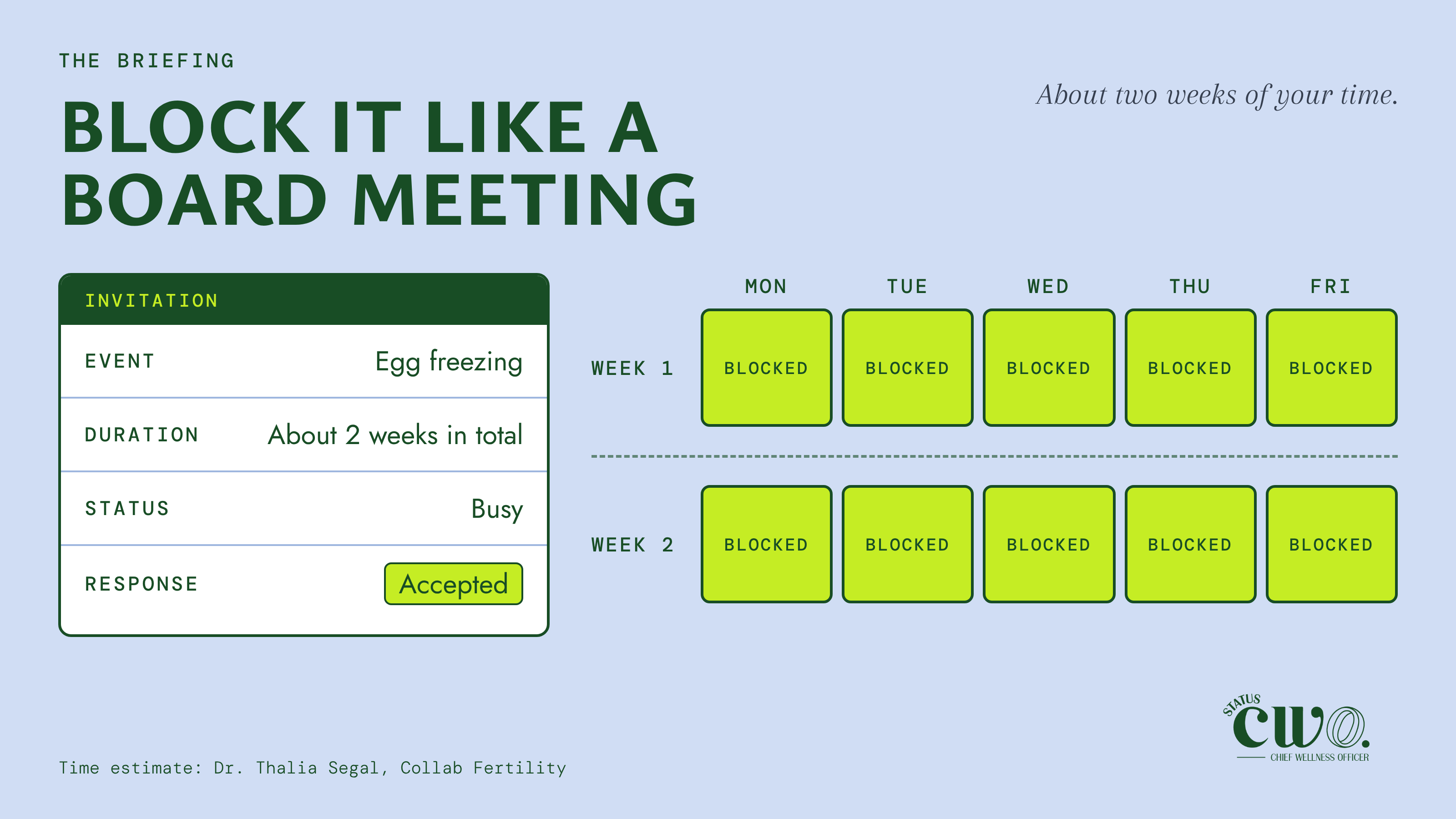
Dr. Segal's most common regret story is a 43-year-old who says, "I wish I had come in my 30s." If you are already past this window, a specialist can still help. Freezing takes about two weeks [5] out of your calendar. Frozen eggs from your early 30s can make you your own donor later. If you have a partner, embryo banking is the other route, and embryos can be genetically screened before transfer [6].
Do this: Check whether your employer offers fertility benefits. Dr. Segal’s advice is to use them if you have them. Costs vary widely, so ask about options and employer benefits.
Step 4: Fix the daily essentials
Dr. Segal sees many executive-level women who have one child and then struggle to conceive a second. She puts lifestyle at the center: poor sleep, poor eating and constant stress keep the body in fight-or-flight. Every patient at her practice sees an in-house nutritionist, and they cover supplements, diet, exercise and sleep.
Do this: Count your daily caffeine, including energy drinks. Be health-conscious in your food choices and try to get regular sleep and exercise. Support your stress levels with yoga, meditation or therapy.
Step 5: Cut your exposure to endocrine disruptors
These are chemicals in plastics, pesticides and fragranced products, which Dr. Segal has researched for over a decade. Her message is that they are a variable you can influence, and that small changes add up. She cites studies where urinary levels of some of these chemicals dropped after just three days of switching products [7]. Dr. Segal also points to the documentary The Plastic Detox, which follows six couples with unexplained fertility [8]. A published pilot study of its participants reported lower levels of some of these chemicals [8] and four of the six couples enrolled later had a child (there was no control group so it shows a direction, not proof).
Do this:
Buy organic produce when you can. Pesticides have been linked to lower sperm counts [9] and, in women having fertility treatment, to lower chances of pregnancy and live birth [10].
Use a water filter, and choose stainless steel or glass over plastic.
Avoid heating food in plastic and never microwave plastic containers.
Choose fragrance-free personal care and scan products with the free apps Environmental Working Group or Yuka.

Your one action this month
Book the AMH test. It takes a blood draw, and it tells you whether you have time or whether this is the month to start the conversation.

Sources
University of Leeds, The Histology Guide: Seminiferous tubules & Spermatogenesis
U.S. Food and Drug Administration, Bisphenol A (BPA): Use in Food Contact Application, Updated 2014
Main Line Fertility, egg freezing timeline (clinic blog)
ASRM Practice Committee, The use of preimplantation genetic testing for aneuploidy, 2024
UC Berkeley News on Harley et al., Environmental Health Perspectives, 2016
Harvard Gazette on Chiu et al., JAMA Internal Medicine, 2017
Status CWO is a reader-supported publication. To receive new content and support this work, please kindly subscribe.
Can anyone relate to putting their career first and delaying family planning? It’s a safe space to share.